

Knotless Braids vs Knot Braids: Which Style Suits You Best?
August 17, 2026
Item added to your cart

Braids are one of the most timeless and practical protective styles, but if you’re choosing between knotless braids and knot braids, the decision can feel surprisingly confusing. Both styles can look beautiful, last for weeks, and protect your natural hair. But they don’t feel, wear, or age the same way.
If you’ve ever wondered what are knotless braids, how they compare to traditional braids, or which option works better for your hair type and lifestyle, this guide will help you make the right choice.
Whether your priority is scalp comfort, long wear, neat roots, or versatile styling, understanding the difference between knotless and box braids can save you time, money, and hair stress.
Knotless braids are a braid installation method where the stylist starts with your natural hair and gradually feeds in extension hair. Unlike traditional braids, there’s no visible knot at the base.
That small difference changes a lot. Because there isn’t a bulky knot anchoring the braid at the root, knotless braids usually:
This is why many people with tender scalps or fragile edges prefer them. If you’ve searched what are knotless braids, think of them as a softer, more modern version of classic box braids.
Traditional knot braids, often referred to as classic box braids, are installed by attaching extension hair to your natural hair using a visible knot at the root. This knot acts like an anchor, helping the braid stay secure from day one.
That’s why many stylists and clients still love them. They’re dependable, classic, and often easier to install if you want a bold, full braided look.
However, that same knot can also create:
So while knot braids can look very polished and long-lasting, they may not be the best choice for everyone.
Let’s break down the most important differences so you can decide which braid style truly suits you best.
| Category | Knotless Braids | Knot Braids | Best Option |
|---|---|---|---|
| 1) Comfort and Scalp Tension |
|
|
Knotless braids |
| 2) Appearance and Finish |
|
|
Knotless braids |
| 3) Installation Time & Process |
|
|
Knot braids |
| 4) Longevity and Wear |
|
|
Knot braids (for longer-lasting neatness at roots) |
| 5) Hair Health and Breakage Risk |
|
|
Knotless braids |
| 6) How Long They Last |
|
|
Knot braids (for longer root neatness) |
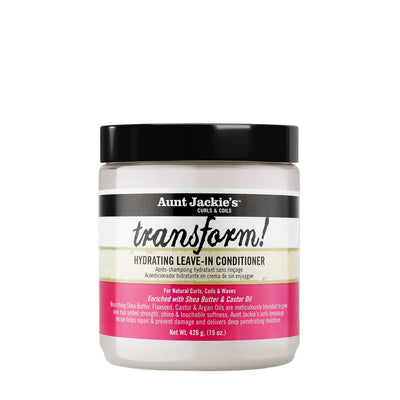
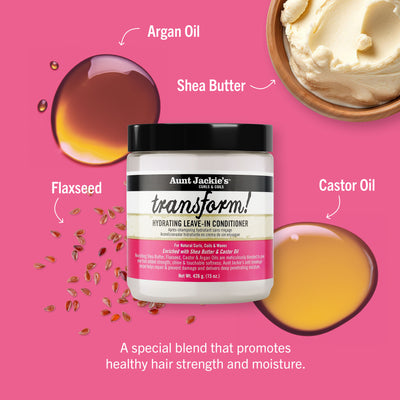
Before you begin braiding, it’s important to properly prep your hair with a moisturizing cleanser and a lightweight leave-in. Using a gentle curl shampoo and a hydrating leave-in conditioner helps ensure your hair is clean, soft, and manageable, making the braiding process smoother and reducing unnecessary tension or breakage.
If you’re curious about how to do knotless braids, here’s the basic process.
The feed-in method is what creates that seamless root. If the extensions are added unevenly, the braid can look bulky or feel unstable.
Knotless braids are not the easiest DIY style for beginners. If you want a very neat finish, professional installation is often worth it.
One of the biggest reasons people love this look is the versatility. There are so many knotless braids styles that work for everyday wear, vacations, work, and events.
Because knotless braids sit flatter at the scalp, they’re especially good for:
If you care about knotless braids styling, this style usually gives you more flexibility with less pulling.
They can, but it depends on your hair texture, routine, and the size of the braids. Knotless braids may get frizzier faster if:
So yes, knotless braids can show wear a bit sooner, but proper maintenance makes a big difference. A lightweight leave-in conditioner like Aunt Jackie's Quench Moisture Intensive Leave-In Conditioner can be applied sparingly to maintain softness without causing buildup, especially if your hair tends to dry out quickly.
If your only goal is maximum longevity, traditional knot braids often have a slight edge because the knot keeps the root more secure. But “lasting longer” should not be the only deciding factor.
A style that lasts 8 weeks but causes edge stress may not be better than one that lasts 5 to 6 weeks and keeps your scalp healthier.
Best choice if you want:
Choose knotless braids if you have:
Choose knot braids if you have:
There’s no one-size-fits-all answer. The best braid style is the one that works for your scalp, your schedule, and your styling goals.
Knotless braids are beautiful, but they’re not perfect. Common issues include:
These aren’t deal-breakers, but they’re worth knowing before your appointment.
If you want a braid style that feels lighter, looks more natural, and is gentler on your scalp, knotless braids are usually the better choice. They’re especially great if you prefer a softer finish, reduced tension, and a more seamless look that blends effortlessly with your natural hair.
If you’re looking for something quicker to install, more secure at the root, and often longer-lasting in appearance at the base, traditional knot braids still hold their own. They offer a structured look and can stay neat for longer with the right maintenance.
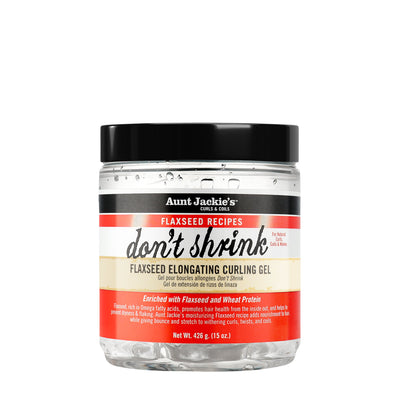
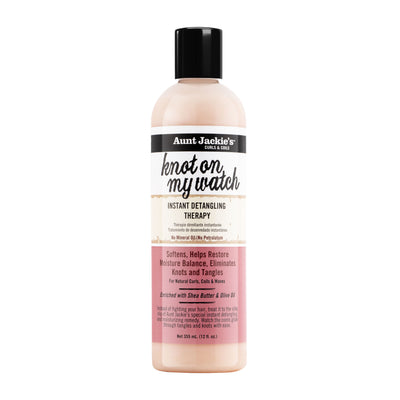
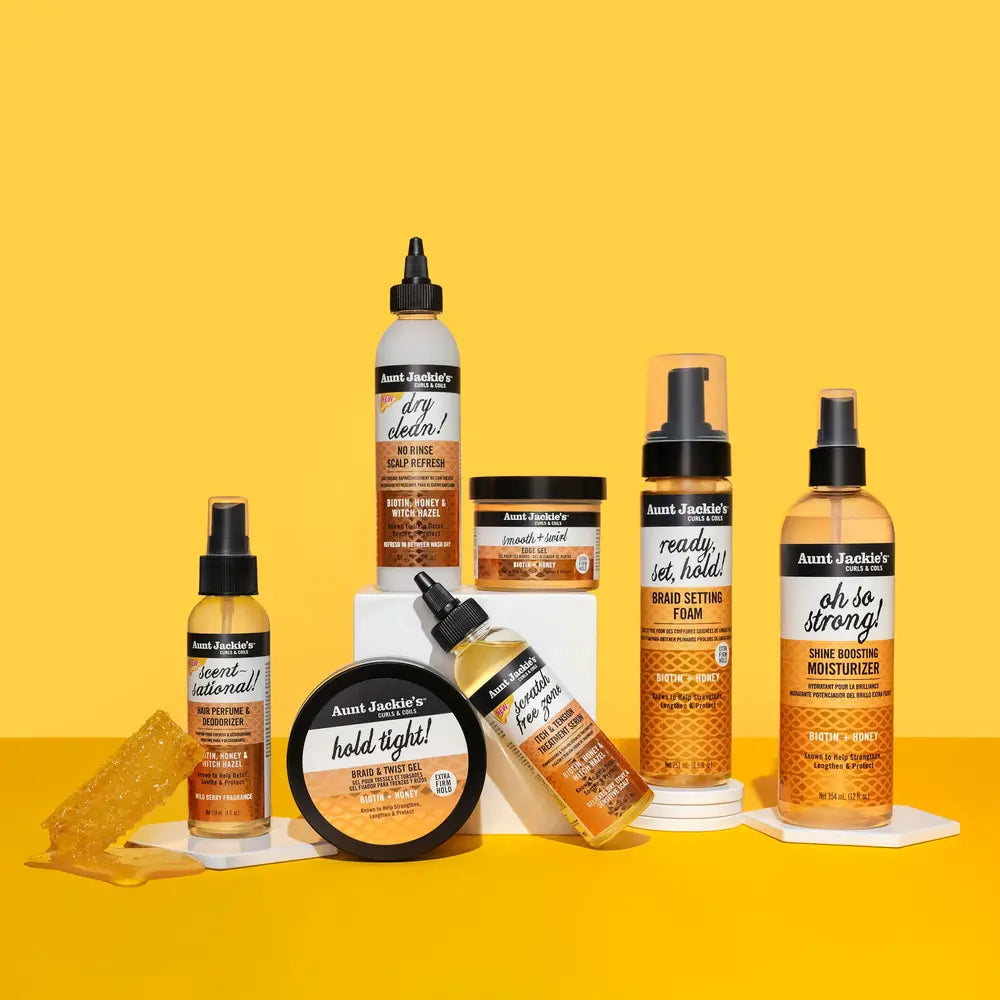
Ultimately, your choice comes down to your priorities, like comfort, time, maintenance, and the final look you want to achieve. No matter which braid style you choose, using the right products makes all the difference. Explore Aunt Jackie's coily hair products designed to keep your hair moisturized, defined, and protected throughout your braid journey. From nourishing braid care essentials to gentle detanglers and specialized braid products, Aunt Jackie’s offers everything you need to prep, maintain, and care for your hair, so your styles look fresh and your natural hair stays healthy underneath.